

Planning a journey through Africa demands preparation that reflects climate, terrain, wildlife activity, and logistical realities. Our Safari Packing List for 2026 traveling is designed to guide travelers through a complete and practical framework for packing smart, respecting strict weight limits, and preparing for the unique rhythm of an African safari.
Unlike conventional holidays, most safaris involve early mornings, open safari vehicles, remote national parks, and varied temperatures throughout the day. Packing smart makes all the difference for a smooth and enjoyable safari experience.
A modern safari blends adventure with comfort across safari lodges and safari camps that range from simple tented camps to lodges at the top of international luxury standards. Many safari properties are located deep inside protected areas, where access to shops is nonexistent. Travelers must pack with intention, selecting the right gear, clothing, and technical equipment to adapt to the season of travel in Africa.
Travel style in 2026 focuses on sustainability, mobility, and comfort, which means travel light and pack layers.!.
African Safari Travel Conditions in 2026

An African safari typically spans multiple wildlife destinations and many include small aircraft transfers between parks and reserves. East Africa remains one of the most popular safari regions, with Tanzania and Kenya safaris leading the way.
Safari tours often require strict baggage size, weight and material limits in order to safely and securely transport travelers between destinations. Depending on your itinerary, you may have either a 33 lb or 44 lb per person weight limit for your baggage, which must be in one soft-sided bag plus one carry-on item. Please note that the weight limit is for these two pieces of luggage combined and size restrictions may vary. Bags with 2 wheels are perfectly acceptable as long as they have some “squish” to get them into the holds of the light aircraft.
Climate conditions vary across African countries. Dry season months often bring intense African sun and dusty roads, while wet season travel introduces short, powerful rainfall and increased humidity.
Early morning temperatures can be surprisingly cool, particularly before sunrise game drives in Southern Africa. Evening game drive sessions may also require an added layer. Travelers who understand these environmental patterns can pack for a safari with precision rather than guesswork; Africa is a vast and diverse continent so please always keep in mind where your itinerary takes you.
Safari Packing and Clothing Strategy
Clothing selection forms the backbone of the ultimate safari packing list. The principle is simple: wear neutral colors and choose breathable fabrics that balance protection and comfort.
Neutral colors such as beige, olive, khaki, and muted brown help you blend into natural surroundings during bush walks and game drives.
Camouflage clothing and camouflage patterns are restricted in several African countries, so they should never be included in safari packing.
While you may read that bright colors (red in particular) and dark colors like blue and black should be avoided, we have found that these rules pertain more to outdated ideas than modern facts.
Long Sleeve Shirts and Breathable Layers
Long-sleeve shirts made from lightweight materials protect against the African sun. A breathable shirt allows airflow during midday heat while maintaining coverage. Layering remains essential because temperatures shift from cool early morning conditions to warm afternoons. A warm jacket or fleece is useful for dawn departures during winter months, especially in the sandy regions in and around the Kalahari desert and at high elevations, including the Ngorongoro Crater.
Wet Season and Rain Protection
Travelers visiting during the rainy season or wet season should include a compact rain jacket. Showers are often brief but intense. Quick-drying fabrics prevent discomfort and help maintain mobility during game drives. Rain gear does not need to be heavy, yet it must be reliable.
Safari Footwear for Comfort and Safety

Proper safari footwear supports mobility across uneven terrain. Comfortable walking shoes with good treads are ideal for exploring lodge grounds and participating in bush walks. Closed-toe shoes protect feet from dust and debris during open vehicle rides. Heavy hiking boots are not necessary, although we do highly recommend waterproof boots for gorilla and chimpanzee trekking.
Packing one pair of reliable walking shoes and one lighter option for evenings often provides sufficient coverage although you may want to include lightweight sandals for the downtime in camp during the heat of the day. Safari footwear should already be broken in before departure to avoid discomfort. The right gear for your feet determines how enjoyable extended wildlife viewing sessions will feel.
Insect Repellent and Sun Protection
Protection against insects and sun exposure is central to a successful safari packing list. Insect repellent and mosquito repellent help reduce bites, particularly near water sources and during dusk hours. Products formulated for tropical climates provide effective coverage without excessive fragrance. Avoid perfumes that may attract insects. Safari lodges also provide insect repellant in each room.
Sun protection extends beyond sunscreen alone. High SPF sunscreen protects exposed skin during long hours under direct sunlight. Lip balm with sun protection prevents dryness and cracking. A wide-brimmed hat or sun hat shields the face and neck during open vehicle travel. Sunglasses add further defense against glare. These items work together to protect against the African sun.
Duffel Bag and Packing Smart Strategies
A soft duffel bag is essential for safari tours that operate under strict weight limits. Hard suitcases are rarely accepted on small aircraft serving remote national parks. Soft bags compress easily and fit inside safari vehicles and light aircraft storage areas.
Packing cubes improve organization and allow travelers to separate clothing, technical gear, and carry essentials efficiently. Pack light by selecting versatile garments that coordinate easily. Luggage lightweight planning reduces strain during transfers and simplifies movement between safari camps.
Camera Equipment and Technical Gear
An African safari offers opportunities to observe incredible wildlife in natural habitats. Proper camera equipment transforms fleeting sightings into lasting memories. A good zoom lens allows you to capture distant wildlife without disturbing animals. Zoom lens capability becomes especially valuable during game drives when animals remain several meters away.
Camera equipment should include spare batteries, sufficient memory storage, and a protective camera bag to guard against dust. A power bank ensures charging flexibility during long travel days. Many lodges provide electricity, though availability may vary in remote safari camps. A travel adapter compatible with local outlets is also necessary.
Technical gear should remain protected from dust stirred up by safari vehicles traveling on unpaved roads. Protective covers and careful storage preserve equipment functionality throughout the journey.
Regardless of whether you bring a bag of camera gear or simply use your cell phone, many of our guides are expert wildlife photographers themselves and can often assist with camera settings in addition to positioning your safari for the best possible shot.
Medical Kit and First Aid Preparation
Health preparation also deserves attention when packing for a safari. A personal medical kit should contain prescription medications in their original packaging with your prescription and name clearly labeled, a first aid kit with adhesive bandages, antiseptic wipes, blister care products, basic pain relief tablets and Imodium. A first aid kit prepared in advance reduces stress during minor medical situations.
Mosquito repellent remains important in many safari regions, especially during wet season travel. Consultation with a qualified health professional before departure helps clarify recommended preventive measures based on the itinerary. Carrying essentials related to health in hand luggage provides additional security during transit.
Game Drives and Daily Safari Rhythm

Game drives form the core of the safari experience. Early morning departures often occur before sunrise to maximize wildlife sightings. Animals are most active during cooler hours, which means layered clothing becomes important. A warm jacket can provide comfort during the first hours of the day and if you are traveling in Southern Africa in the middle of winter (June-August), we also highly recommend a warm hat that covers your ears.
Afternoon excursions transition into evening game drive sessions, where temperatures may gradually decrease. The open structure of most safari vehicles exposes travelers to wind and dust, reinforcing the need for protective clothing and sun gear. Preparation that reflects this daily rhythm contributes significantly to comfort and enjoyment.
National Parks and Environmental Responsibility
Safari travel occurs within protected national parks and reserves that preserve fragile ecosystems. Visitors must respect local regulations, including restrictions on plastic bags and camouflage clothing. Sustainable travel style encourages eco-friendly items such as a reusable water bottle rather than disposable plastic containers.
Environmental awareness extends to packing choices. Avoiding bright colors reduces visual disturbance to wildlife and other travelers. Wearing neutral colors supports responsible observation. Packing with environmental sensitivity enhances the overall safari experience while contributing to conservation goals.
Frequently Asked Questions
What should I pack for a safari in 2026?
A safari packing list 2026 should include neutral clothing, long-sleeve shirts, comfortable walking shoes, insect repellent, sun protection, and a soft duffel bag. Focus on packing smart, traveling light, and choosing the right gear for changing temperatures and game drives.
Can I bring a hard suitcase on an African safari?
Most safari tours require a soft duffel bag due to strict safety weight limits on small aircraft.
Why should I wear neutral colors on safari?
Neutral colors help you blend into natural surroundings, keep cool from the sun and avoid attracting insects.
What camera equipment is best for a safari experience?
A good zoom lens is essential for capturing distant wildlife safely and clearly. Bring extra batteries, memory cards, and a protective camera bag to shield your camera equipment from dust during safari travel.
Final Strategy for the Ultimate Safari Packing List
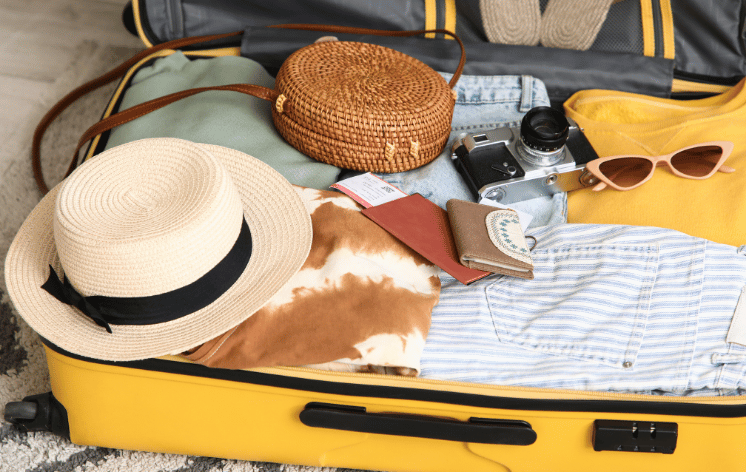
Final preparation should involve reviewing every item for purpose, weight, and relevance. Ask whether each piece contributes to comfort, safety, or functionality. Eliminate items that serve no clear role. Packing smart means aligning gear with climate, itinerary, and activity level.
Safari Packing List 2026 is not about excess. It reflects thoughtful planning, travel light discipline, and respect for the landscapes of East Africa. With the right gear, comfortable walking shoes, sun protection, insect repellent, camera equipment, and organized luggage, travelers position themselves for a seamless journey across national parks filled with incredible wildlife.
Careful preparation allows you to focus on what truly matters: the extraordinary safari experience that unfolds across open plains, river crossings, and hidden gems within Africa’s most celebrated ecosystems.
For personalized safari planning and expert guidance, connect with our African safari specialists today and begin designing your unforgettable journey.